
How can we build resilience in young athletes?
It’s a question many parents and coaches are asking: Are today’s young athletes struggling to cope with setbacks? Growing up in the modern world has created a unique set of challenges for young people. From challenges with social connection to the pressures of social media, children today face hurdles that previous generations didn’t.
Resilience - the ability to bounce back, adapt, and keep going - is more important than ever. At Nike Sports Camps, it’s now one of the core values we aim to instil in the young players who join us. We’ve seen how bringing young athletes together for a shared experience in a supportive environment helps them develop this critical life skill.
1. Encouraging young people to step outside their comfort zone
Significant global events over the past few years have disrupted the routines, social networks, and extracurricular activities that support children’s social and emotional development. Many young athletes missed out on regular team sports, competitions, and shared experiences that naturally build confidence, leadership, and a sense of belonging.
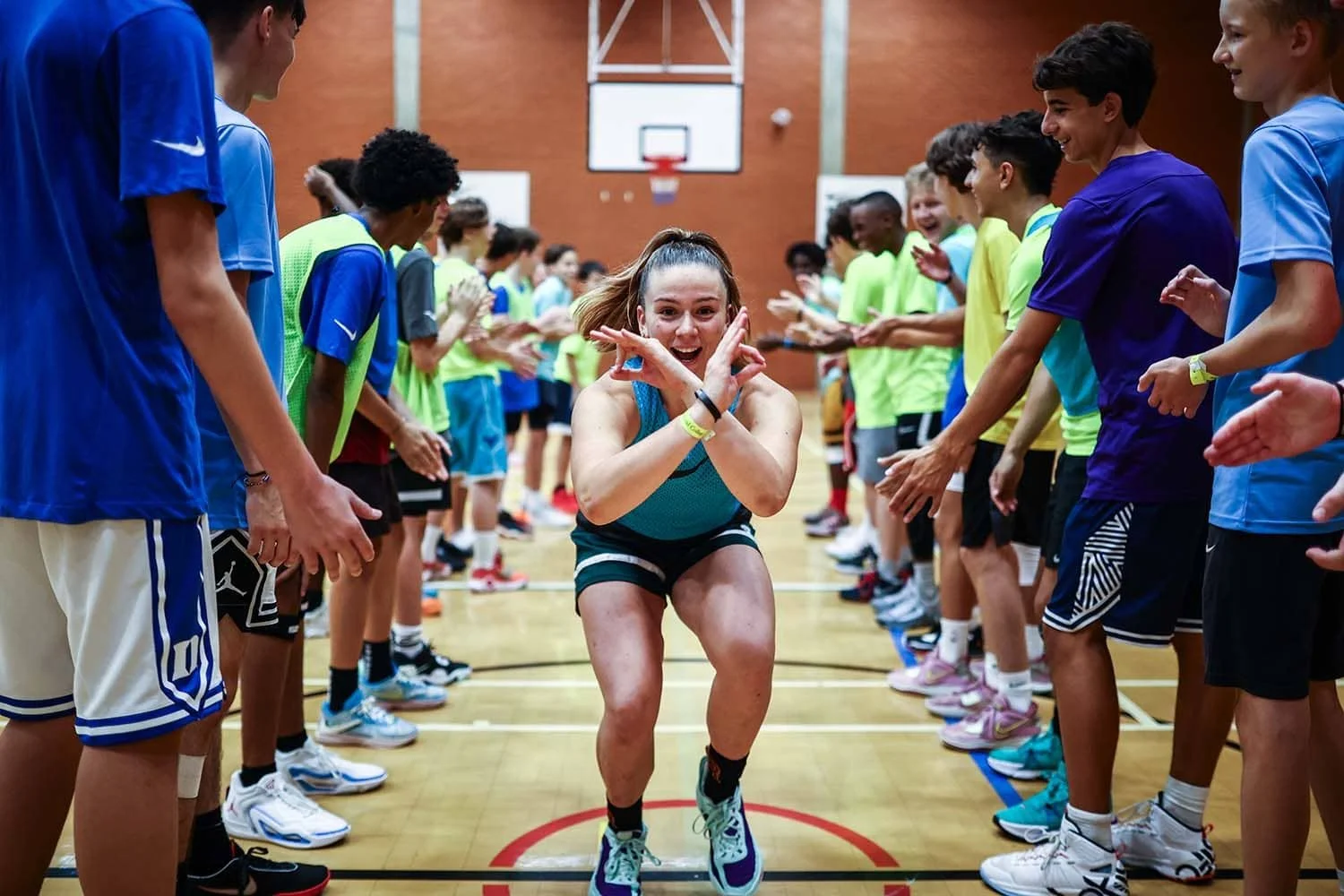
A residential camp offers an opportunity to grow. From the moment they arrive, children step into an unfamiliar environment - a new place, new routines, new people, and new expectations. Learning to navigate these changes, often for the first time away from home, encourages independence, adaptability, and mental toughness.
Within a safe, structured setting, players are supported as they push beyond their comfort zones. Through small-sided games, drills, shared routines, and team challenges, they form meaningful connections with peers who share their interests. Each day builds confidence as they realise they can overcome uncertainty, collaborate with others, and rise to new challenges - skills that extend far beyond sport.
2. Teaching patience and focus
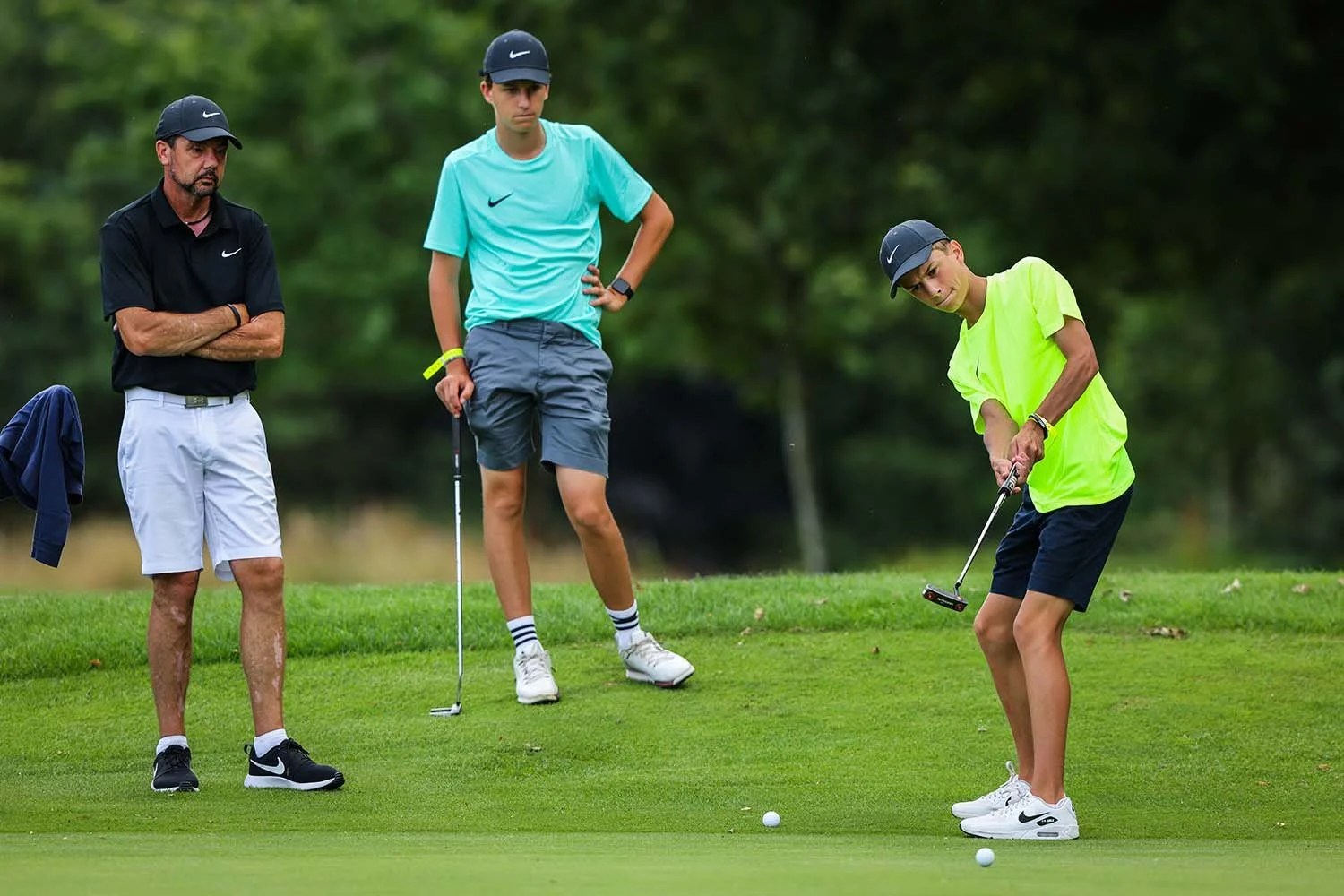
In today’s culture of instant results, many struggle with patience and the ability to commit to long-term goals. Sports camps provide an environment where effort, consistency, and improvement are celebrated over quick wins. Through structured practice, repetition, and personalised coaching, campers discover that meaningful progress doesn’t happen overnight. They learn to embrace challenges, recover from mistakes, and keep pushing forward - even when times get tough. Working alongside teammates, they see firsthand how persistence, resilience, and collaboration lead to long-term success.
3. Managing the pressure of digital life
The constant stream of social media updates and on-demand entertainment can leave young people feeling distracted, isolated, and under pressure to compare themselves to others. While technology has many advantages, it can make it harder to handle setbacks, stay focused, and develop patience.
Camps provide a refreshing break from screens and an opportunity to engage in real-world challenges. Through teamwork, problem-solving, and hands-on practice, children learn that consistent effort, resilience, and collaboration lead to growth - lessons that scrolling alone simply cannot teach.
4. Navigating comparison culture
In an era dominated by competition and constant performance highlights, children can become overly focused on comparing themselves to the 30-second highlights reels of peers or professional athletes. This comparison culture can undermine confidence and create unnecessary pressure. At sports camps, young players are encouraged to measure success by their own progress and effort. Through supportive coaching and collaborative team environments, they learn that resilience isn’t about being the best - it’s about staying committed, learning from mistakes, and valuing personal growth over constant comparison.
5. Improving mental health and confidence
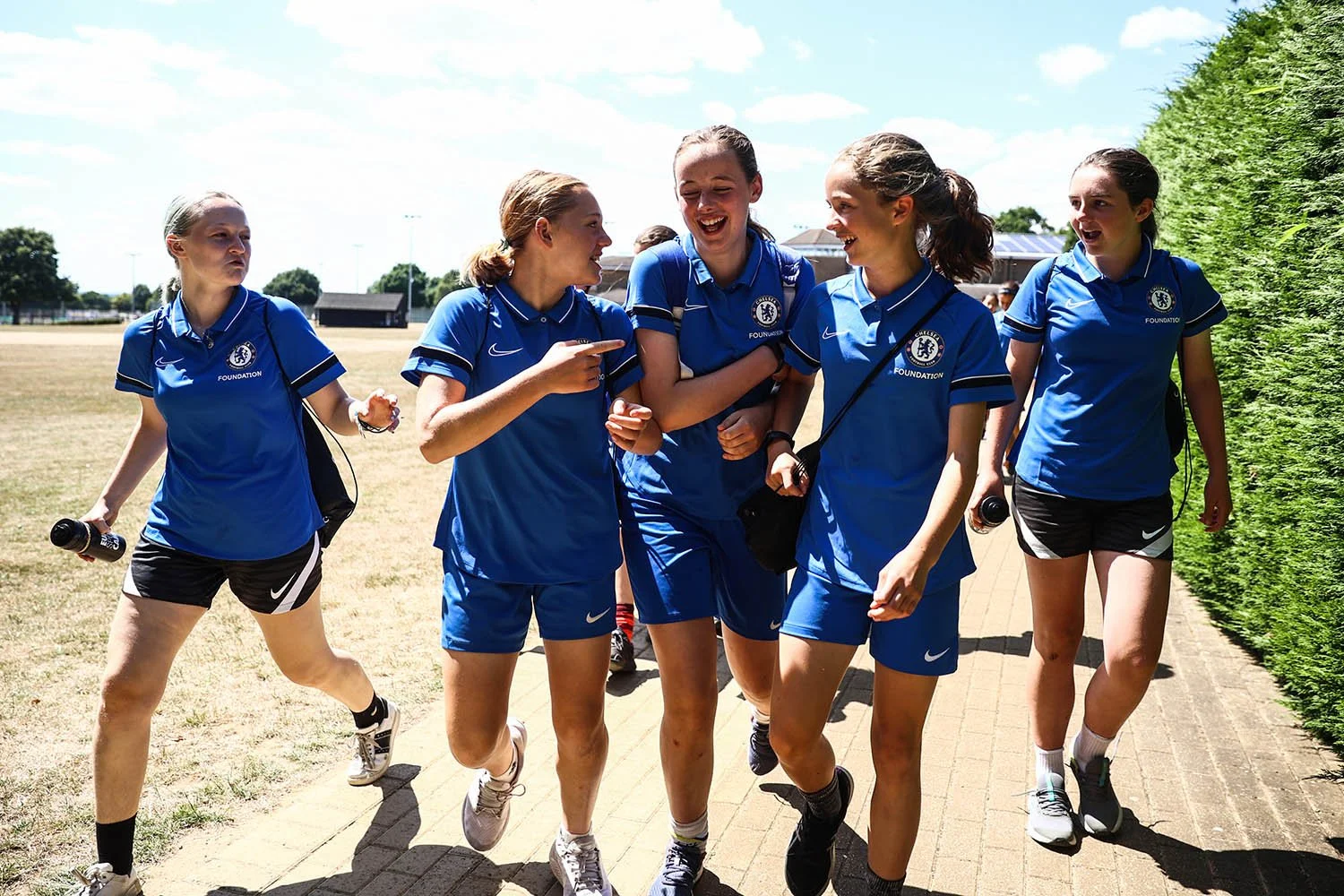
Sport isn’t just about technique – it’s about mindset. On camp, young athletes benefit from the mental health boost that comes from regular physical activity, while developing positive routines they can carry into everyday life. They also experience small daily wins: improving a skill, contributing to a team, or overcoming a challenge. These experiences build confidence, self-esteem, and coping skills, while supportive coaches provide positive examples of resilience in action.
By learning to handle setbacks on the pitch, children gain tools to navigate challenges off the pitch - whether in school, friendships, or everyday life.
Closing thoughts
While the pressures on young athletes today are real, resilience can be taught, nurtured, and strengthened. A residential camp provides a unique combination of expert coaching, new experiences, and a supportive social environment. Living and training alongside peers from around the world encourages connection, communication and global friendships. By the end of the week, players don’t just leave with improved skills - they leave with greater confidence and the ability to overcome challenges with positivity and composure.