Sport can give girls so much more than physical skills. It can build confidence, develop friendships and help them discover what they're capable of. Yet, as girls move through their teenage years, we see many begin to disengage with sport. Why does this happen, and how can parents, coaches and sports programmes help turn the tide?

According to Women in Sport's Let Her Dream 2026: The Power of Team Sport report, just 28% of girls currently participate in team sport, compared with 45% of boys. Almost half of girls (49%) have played team sport in the past but no longer do, while a further 23% have never participated.
These figures point to a significant opportunity: how can we make sure girls don't lose the enjoyment, confidence and sense of belonging that sport can bring as they grow older?
Why are girls losing their connection with sport?
There isn't one single reason why girls disengage from sport during their teenage years. The Women in Sport research highlights a combination of cultural attitudes, confidence, access to opportunities and the sporting environments in which girls participate.
1. Confidence can impact participation
A lot can change during the teenage years, and for some girls, becoming more self-conscious can affect how comfortable they feel taking part in sport.
Worries about being judged, comparing themselves with others or not being good enough can make participation feel increasingly daunting.
The research highlights this challenge: among girls who don't dream of becoming a top athlete, 42% say they don't believe they're good enough at sport. The same proportion say they simply don't enjoy sport enough.
These findings suggest that sporting environments need to do more than focus on performance. Girls also need opportunities to build confidence, celebrate progress and feel comfortable learning at their own pace.
Not every girl needs to aspire to become a professional athlete. But every girl should have the opportunity to progress and discover more about herself.
2. Girls don't always feel encouraged to succeed
Attitudes towards girls' participation in sport can have a lasting impact on their confidence and ambition.
In the report, 40% of girls identify sexism and misogyny as a barrier to reaching the top in sport. A further 36% highlight that girls aren't encouraged to excel at sport, while 34% identify the perception that sport is for boys and matters less for girls.
These attitudes can influence how girls view their own abilities and whether they feel sport is somewhere they truly belong.
Creating positive sporting environments therefore means actively challenging stereotypes, celebrating girls' achievements and making sure their ambitions are taken just as seriously as boys'.
3. The right opportunities aren't always available
Even when girls want to participate, finding the right opportunity can be a challenge.
Girls may struggle to find suitable teams, clubs or programmes that match their age, ability and interests. They may also want a different experience from traditional competitive sport, with more opportunities to try new activities, develop skills and enjoy playing with friends.
In fact, the report found that 29% of girls don't currently take part much in sport but would like to do more. A further 30% say they love sport but want more opportunities to participate.
That's an important distinction. A lack of participation doesn't necessarily mean a lack of interest.
Girls themselves identify more opportunities to play different sports, more girls-only teams, more flexible ways to participate and better support from schools, coaches and parents as important ways to encourage engagement.
The challenge is making sure those opportunities are available when girls need them most.
What can we do to keep girls engaged in sport?
The good news is that the benefits of participation are significant, and the research suggests that the right experiences can help girls maintain their connection with sport.
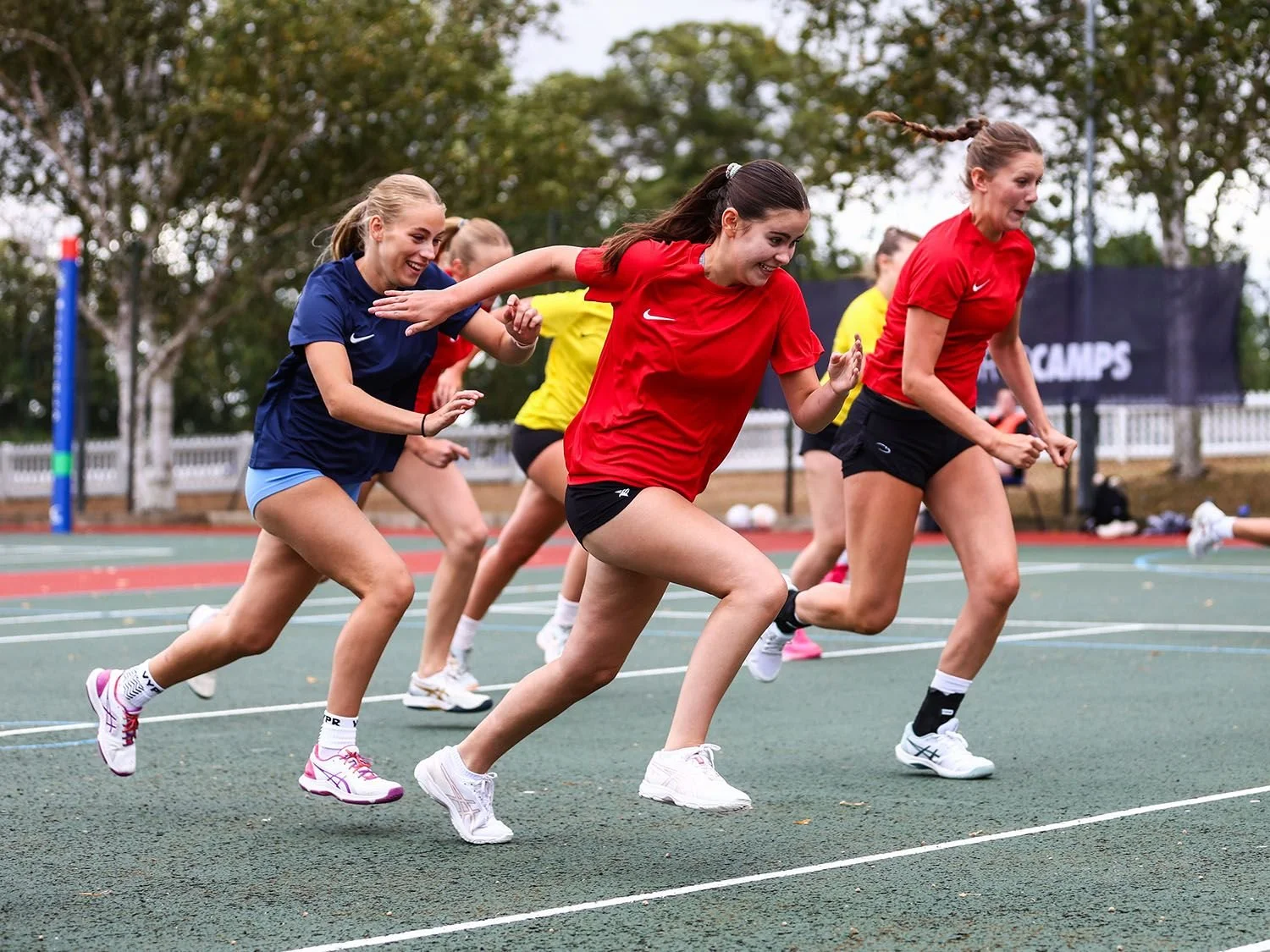
1. Make confidence and enjoyment just as important as performance
Sport should challenge girls, but it should also be somewhere they feel supported, encouraged and able to make mistakes.
Coaches can play a huge role in creating this environment. Recognising individual progress, celebrating effort and providing constructive encouragement can help girls develop confidence without feeling that their value depends on their performance.
It's also important to recognise that girls have different motivations. Some will thrive on competition and ambitious performance goals, while others may be more interested in learning new skills, making friends or simply enjoying being active.
Providing room for both is essential.
2. Give girls opportunities to play together
Having a supportive group around you can make a huge difference to how you experience sport.
Women in Sport found that 46% of girls prefer girls-only team sport opportunities, compared with 24% who prefer mixed groups.
Girls also recognise the positive impact these environments can have:
83% believe girls-only opportunities help girls feel more confident.
82% believe they help girls feel a greater sense of belonging.
78% believe they help girls perform better and reach their potential.
This doesn't mean mixed sporting environments can't be positive. Rather, it highlights the importance of choice and ensuring girls have access to opportunities where they feel comfortable, supported and able to thrive.
For parents, finding a programme where their daughter feels part of a team and can build relationships with other girls who share her interests can be an important step towards keeping her engaged.
3. Put positive role models front and centre
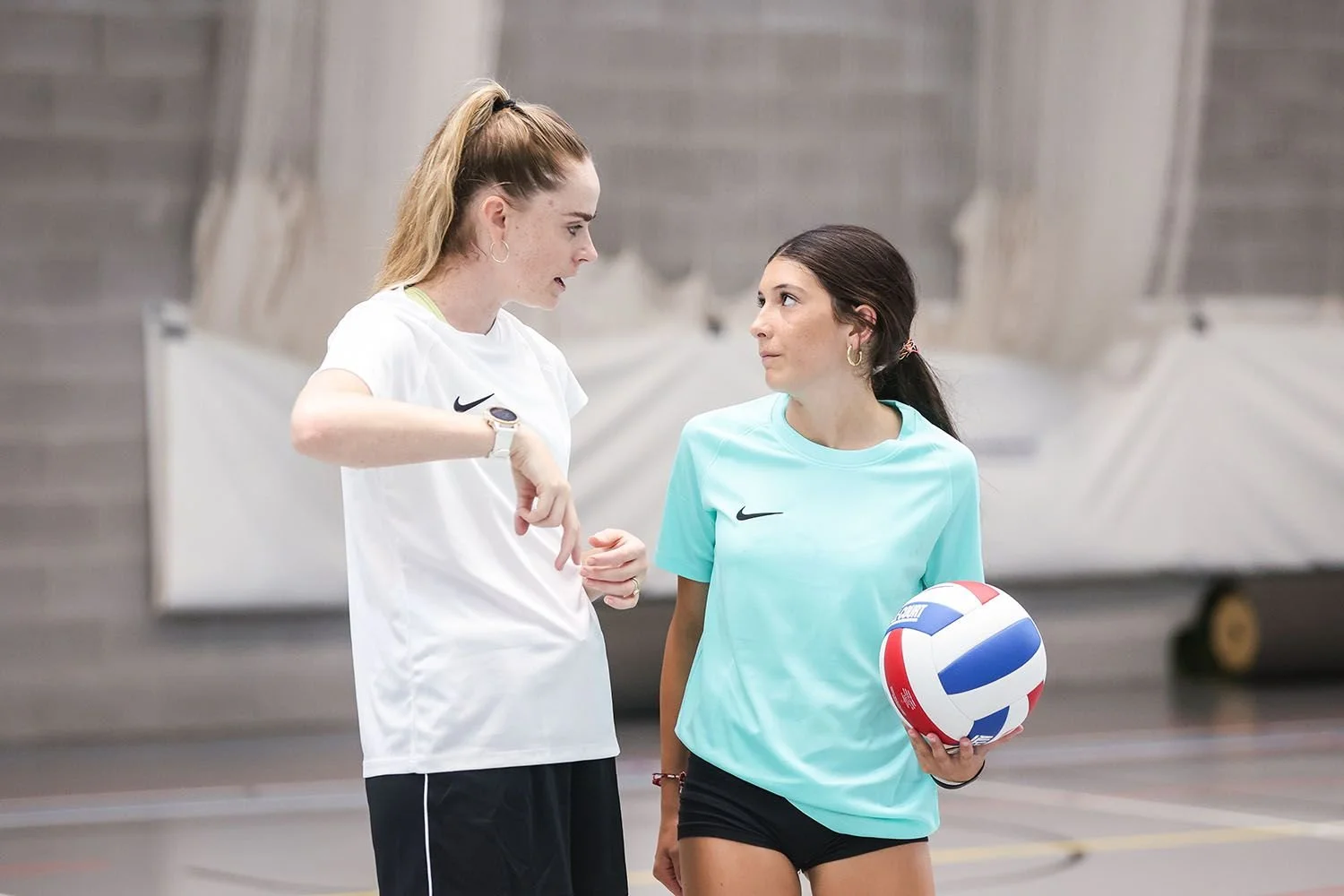
Representation matters. Seeing women succeeding in sport, leading teams and coaching the next generation can help girls recognise the possibilities available to them.
The report found that girls want to see more women in coaching and sporting leadership positions, alongside greater visibility for female athletes.
Coaches and sporting organisations can help by giving female role models a stronger presence, celebrating women's sporting achievements and showing girls that there are many different ways to build a future in sport.
Parents can also help by taking an interest in women's sport, attending events together and encouraging their daughters to follow athletes and teams they admire.
4. Make sport about more than the result
One of the most compelling findings in the research is just how much young people gain from participating in team sport beyond physical development.
Among girls who currently or previously played team sport:
92% say it has helped them feel part of a group or community.
91% say it has helped them build relationships and social connections.
91% say it has helped them become more confident.
90% say it has helped them feel resilient and able to overcome challenges.
90% say it has helped them become more ambitious and driven.
These benefits are particularly important during adolescence, when friendships, independence and a sense of identity can play such a significant role in a young person's life.
Sporting environments should recognise this wider value. Creating opportunities for friendships, teamwork, shared experiences and personal growth can make participation rewarding in ways that go far beyond results on the pitch.
5. Keep encouraging girls to try something new

Not every girl will want to commit to the same sport, team or training environment throughout her teenage years. Interests change, confidence develops and new opportunities can spark a fresh enthusiasm.
Giving girls the chance to try different sports, learn new skills and challenge themselves in a supportive environment can help them rediscover their enjoyment of being active.
Parents can encourage this by being open to new experiences and focusing on what their daughter enjoys, rather than putting pressure on her to pursue a particular sporting pathway.
Coaches and sporting organisations can help by creating welcoming entry points for girls of different abilities, providing opportunities to progress and making sure there is always something new to work towards.
Creating an environment where girls can thrive
At Nike Sports Camps, we believe every girl deserves the opportunity to discover her potential through sport.
A great sporting experience should offer more than just expert coaching and technical development. It should give girls the confidence to challenge themselves, the encouragement to try something new and the opportunity to connect with other young people who share their passion.
Our programmes combine high-quality sports coaching with opportunities to develop independence, build friendships and experience new challenges. Whether a girl is looking to take her performance to the next level or simply wants to spend more time doing something she loves, finding the right environment can make all the difference.
The research makes one thing clear: girls who participate in team sport are almost eight times more likely to dream of reaching the top in sport than those who have never played (63% compared with 8%).
Visibility can inspire girls, but participation helps keep those ambitions alive.
We need to make sure that as girls grow older, they don't feel they have to grow out of sport. With the right encouragement, opportunities and support, their teenage years can be the beginning of an even stronger relationship with it.